
Three watches, not ten
Most collections stall at eight watches nobody wears. Three roles, three pieces, and where the money should go.

Most collections stall at the same place: eight watches, none of them worn, none of them quite right. Three well-chosen pieces will do more for you than ten compromises.
The three roles
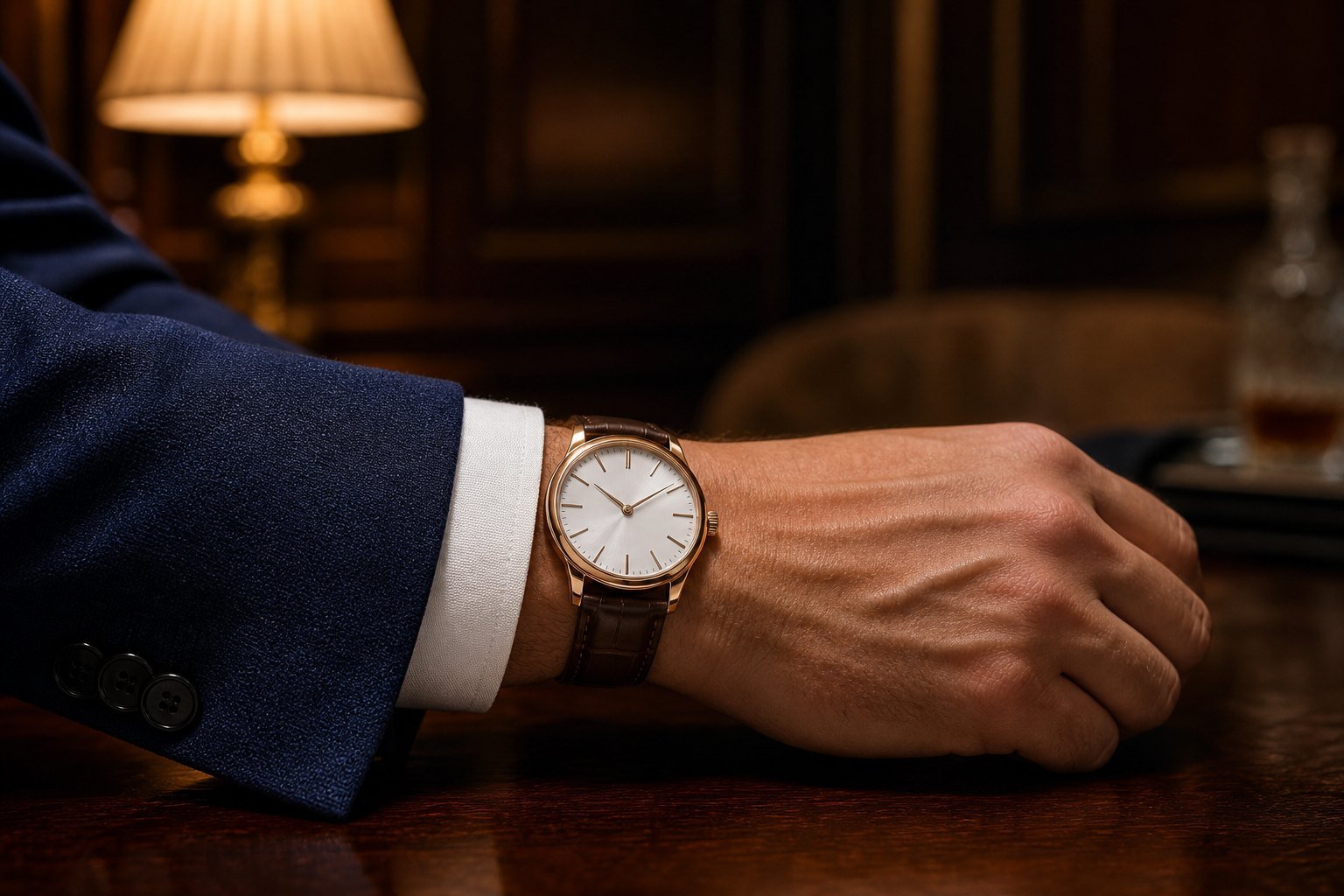
One that goes with a suit. Thin, quiet, no complications you will not use. This is the watch you wear to something formal and never think about. A dress watch earns its place by disappearing.
One you can wear into water. Steel or carbon, decent water resistance, a bracelet or rubber strap that survives sweat. This is the watch that takes the knocks and does not need to be taken off.
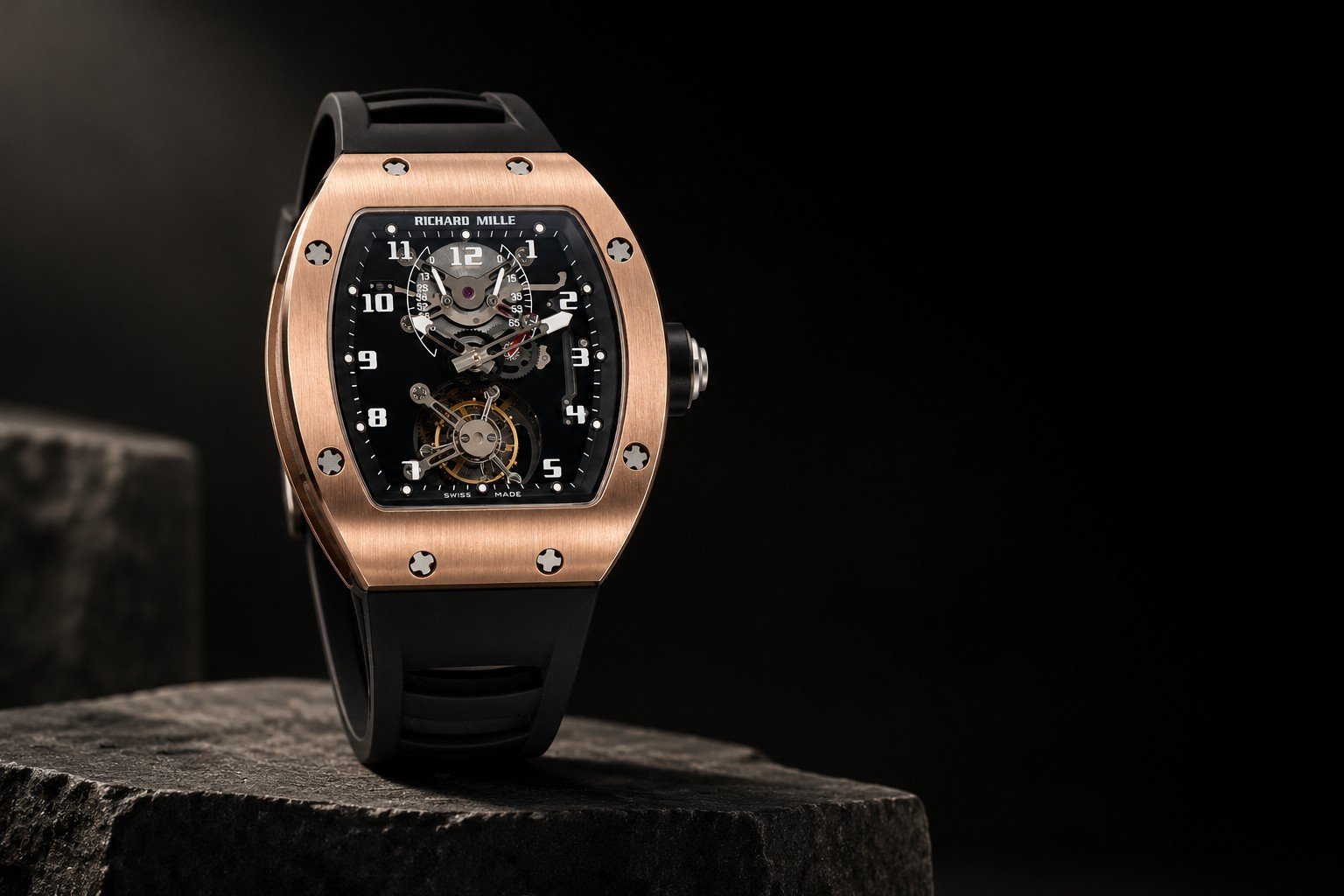
One you actually wanted. Not a role, a weakness. The watch you keep looking at in photographs. Every collection needs one irrational purchase or it becomes an investment account you never open.
Why not ten
Because wrist time is finite. A watch that sits in a box stops, and a watch that stops is a bill waiting to happen. Ten watches also means ten services, ten sets of papers to keep track of, and a decision every morning that gets less enjoyable as the number grows.
The other reason is quality per unit. The same money spent on three watches buys meaningfully better pieces than the same money spread across ten. At this level, depth beats breadth every time.
What to spend on each
Put the largest share into the one you wear most, not the one you photograph most. If the sports watch is on your wrist five days a week, that is where the money should sit. The dress watch can be modest and still be correct.
The irrational one gets whatever is left, and should be bought on condition rather than on a plan.
The order to buy in
Sports first, because it is the one you will wear while you decide about the others. Dress second, once you know what you actually need it for. The irrational one last, because by then you know what you like rather than what you were told to like.
And buy the best example of each role you can find. A common reference in excellent condition will always outlive a rare reference in mediocre condition — both in enjoyment and in resale.