
Are replica watches legal — and is it safe to buy one?
Owning one for your own wrist is rarely the problem. Selling one as the real thing is where the law draws its line — and most buyers are caught out not by the law, but by the seller.

THE QUESTION
Are replica watches legal — and is it safe to buy one?
Owning one for your own wrist is rarely the problem. Selling one as the real thing is where the law draws its line — and most buyers are caught out not by the law, but by the seller.
Luxerus Journal · 25 November 2026 · 6 min read
A replica watch copies the design, and often the mechanics, of a brand-name piece at a fraction of its price. Because the watch is not authentic, many people assume the transaction must be illegal too. That assumption is where most of the confusion begins.
The law is narrower than the rumour. What is regulated is not the act of owning a well-made copy. It is the act of passing one off as the original, and the commercial scale on which copies are made and moved.
What follows is a plain-language summary of how the rules generally work in the UK, the US and the EU, which acts actually carry risk, and how to buy without walking into them.
How common are replica watches?
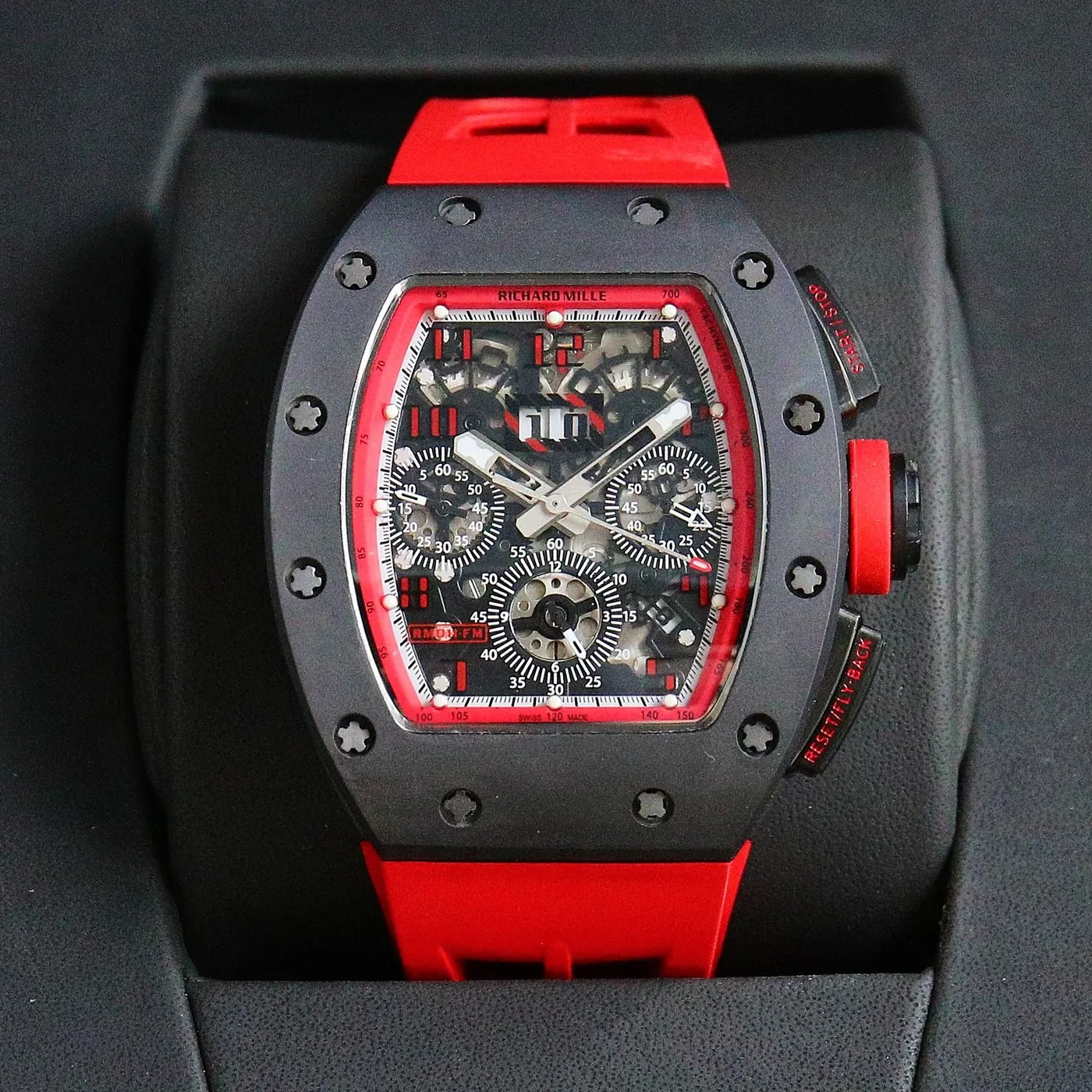
Replicas have moved from back-room trade to a mainstream purchase in Europe and North America. Two things drove it. The price gap widened as genuine steel sports watches climbed out of reach, and the copies themselves improved. A high-grade replica today is built from comparable materials, often on the same class of machinery, and reads as convincing at arm’s length.
For most buyers the motivation is simple: the look and feel of a watch they would not otherwise own, at a price that does not require a decision about a car.
Is it legal to buy a replica watch online?
In the UK and the US, buying a replica for personal use is generally not an offence. Selling counterfeit goods is. So is importing them for resale, and so is advertising a copy as genuine. Those are trademark and consumer-protection matters, and they are enforced against the seller rather than the wearer.
Two practical points follow. First, never resell a replica as an authentic watch: that single act turns a harmless purchase into trademark infringement and, depending on intent, fraud. Second, jurisdiction matters more than any general rule. Some countries prohibit sale outright and treat purchase differently; a few restrict import even for personal use. Check your own country’s position before you order, not after.
Almost all replica production sits in China, which is why shipping, customs paperwork and the seller’s documentation matter as much as the watch itself.
What about a fake Rolex specifically?
A fake Rolex is treated like any other replica: the risk attaches to selling and misrepresenting, not to owning. The brand’s prominence makes enforcement more aggressive, which is why Rolex copies are the most commonly seized category at borders. But seizure is a customs action against goods in commercial transit, not a prosecution of the person wearing the watch.
Can you get into trouble for buying one?
Not for the purchase itself, in most jurisdictions. You can get into trouble for:
- selling it as genuine
- advertising it as genuine
- claiming a refund on a genuine item you replaced with a copy — refund fraud is a criminal matter in its own right
- importing quantities that suggest resale rather than personal use
The line is intent and scale. One watch for your own wrist, bought quietly, is a different thing from a case of them and a price list.
Is a replica worth buying?
With caveats, yes — provided it is a high-grade replica rather than a market-stall counterfeit. What you are actually buying:
- Style. The design language, proportions and finishing of a watch you would otherwise never wear.
- Quality. Good replicas use comparable steels, sapphires and movements. Cheap ones use plated brass and generic quartz, and it shows within a year.
- Durability. A well-built copy can be worn daily, serviced, and kept for years.
- Cost. A high-grade Rolex copy typically starts under US$750; the genuine reference is a five-figure purchase.
- Access. The good ones are easy to find. Telling them from the bad ones is the part that takes practice.
The distinction matters because the low end gives replicas their reputation. A US$90 counterfeit is not a cheaper version of what we sell; it is a different product with a different lifespan.
So how do you buy safely?
Four checks, in this order:
- The seller says what the watch is. If a listing implies authenticity, walk away. That implication is the one thing that turns a purchase into evidence.
- Payment and returns are written down. A seller who will not put a return policy in writing will not honour it either.
- Shipping and customs are stated up front. “No surprise fees” should be a term of sale, not a promise in a chat window.
- The photographs are of the actual watch. Stock renders hide finishing, bracelet fit and dial colour — the three things that give a copy away in person.
The short answer
Owning a replica is not, in most of the world, the illegal part. Selling one as genuine is. Buy from a seller who is explicit about what the watch is, keep the transaction personal rather than commercial, and the legal question largely stops applying to you.
The rest is judgement about quality — and that is a question about the watch, not the law.
This is general information, not legal advice. Rules differ by country and change over time; confirm your own jurisdiction’s position before ordering. Adapted from an article originally published by United Luxury.